Where to turn for White Rock’s Bath House Cultural Center
Use Northcliff Drive off Buckner Boulevard, choose an exhibition or performance, and leave time to look at the building from the lakefront.
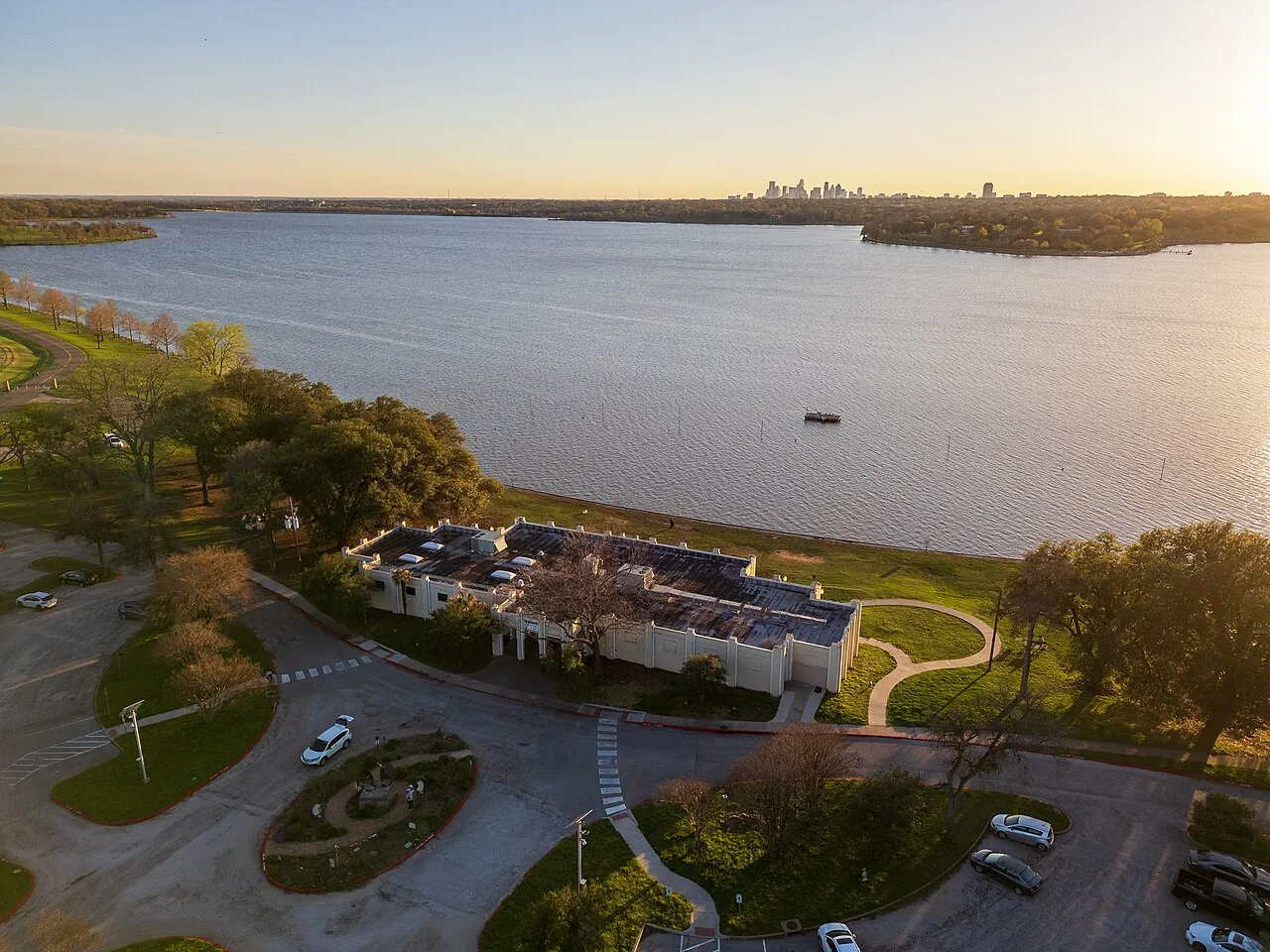
The Bath House Cultural Center has an East Lawther Drive address and a different approach for visitors arriving by car. Dallas lists it at 521 E. Lawther Drive on the east shore of White Rock Lake. The city’s visitor directions say access from East Lawther Drive is blocked and direct visitors to Northcliff Drive off Buckner Boulevard. Give anyone meeting you both the name of the center and the approach, and check the city’s directions before you leave. Bath House visitor information
Once you know where to turn, decide which part of the center you want to see during the visit. An exhibition can be the center of a short afternoon, while a scheduled performance sets the time for the rest of the outing. The building itself is worth a few minutes from outside. The lakefront position makes sense when you know what the place was built to do.
Separate the street address from the approach
If you send the address to a friend, add “via Northcliff Drive from Buckner Boulevard” in the same message. Someone entering the address alone may see an approach that the city’s directions currently tell visitors to avoid. If you are meeting at the center, choose a specific public point that your group can identify once it arrives. “At the entrance to the Bath House Cultural Center” is clearer than “by the lake.”
Give yourself time for that last part of the route. If the program has a start time, aim to arrive early enough to find the correct entrance and get oriented. Confirm any drop-off or access needs with the center. Different people in a group might need to understand a short route from a vehicle, where to meet, or what to do if they arrive after the others.
For someone arriving on foot or by bicycle, use the park map and current posted signs from the part of the shore where you start. Ask the center which approach is suitable if you need a particular connection. Dallas Park and Recreation’s White Rock Lake page provides park information and a map for planning the visit. The page also gives you a place to check for conditions or park notices before counting on a route.
Choose one program before planning the rest of the outing
Pick an exhibition, a performance, or the building as your main reason to go. Use the center’s gallery information or performing arts page to look for the date and details of what you want to see. The center may have more than one event or exhibition associated with a day. Check the hours and location of the one that interests you.
The city’s visitor page distinguishes general admission to the Bath House from individual events or performances that can have a charge. Read the particular program’s information for any booking or admission details. If your group plans to arrive separately, share that listing rather than asking everyone to find the right program from the main calendar. Bath House visitor information
A gallery visit can be a shorter outing than a stage program. Pick the exhibition first, then see what else is open when you get there. With a booked performance, decide where the lake walk will fit around it. Give your group the program start time and the time you plan to meet, so a person who wants to look outside knows when to return.
Look at the building as a former bath house
Before you go inside, pause where you can see the outline of the building. The city identifies the Bath House as a 1930 Art Deco building. It originally served swimmers using White Rock Lake and was later repurposed as a cultural center. The official history describes the lockers, changing rooms, and other facilities the earlier building provided. Bath House history and City of Dallas landmark information
Look for the central entrance and the geometric treatment of the façade. Then compare that view with what you can see from the public lakefront if the path is open and suitable. The relationship between the building and the water can be easier to understand from that side. Think about the different ways a person might have approached it as a swimmer and approaches it now for an exhibition.
Inside, look for where your program is being held and how the rooms connect to the entry. The center’s site describes its mix of exhibition and performance spaces. Something designed for public recreation has become a place people use to see work, watch performances, and gather. A short look at the building between those activities gives a reason to step back and notice its shape. About the Bath House Cultural Center
Give yourself a different viewpoint on the way back. From near the entry, notice what draws your eye to the center of the façade. From the lake side, look at where the building sits relative to the shore. If you are visiting with someone else, pick one detail each and compare them after you look. A photograph from a public spot can help you remember which view made a feature stand out. Ask staff before taking photographs inside an exhibition or performance space.
Use a short walk if the program time is fixed
Start with the time you need to be back at the building. Choose a nearby section of public path and an endpoint you can recognize. You can turn around at an agreed landmark or after a set number of minutes. A short walk lets you see the lake without needing to plan a complete loop. Use the Dallas Park and Recreation information for White Rock Lake and current signs to choose a portion that works for your group.
Agree who will keep track of the time. If one person wants to continue and another wants to sit or head back, decide where they can meet again. Stay with public paths that are open and follow the rules posted for the particular area. If a path is unavailable, pick a closer view or keep the outing centered on the program.
Give yourself a little time after returning to the center. A short walk can end at the building while leaving everyone enough time to find the room or have a conversation before the program begins. If the schedule is already tight, viewing the exterior can be the outdoor part of the stop.
Put the order together for a fictional afternoon
Imagine two friends planning to visit one gallery show. One can spend an hour at the lake while the other has time only for the exhibition and a quick look at the building. They check the gallery page and choose a shared arrival time. Both receive the street address and the Northcliff Drive approach in the message.
They plan to meet at the center first, walk through the exhibition, and then spend a few minutes outside. The friend with less time can leave after the exterior stop. The other can choose a short out-and-back from there if the path is available. If both want to look at the lake before going in, they choose a turnaround time that still leaves enough time for the show.
For a performance, they reverse the focus. They check the event information, choose an arrival time before it begins, and decide together whether there is time for the lake. A person traveling alone can use the same plan. Choose the program, set the arrival and return points, and see whether a short walk fits around them.
Check access and conditions close to the visit
Contact the center if you need to know about a particular entrance, drop-off, or route to the space where the program takes place. Describe the part of the trip you are trying to plan. Asking how someone gets from a vehicle to an exhibition room is more useful than asking about the building in general. Check the program organizer’s details too if the event has a separate contact. Bath House visitor information
For a group with several arrival times, send one current message with the approach and meeting point. Tell people how to reach each other if they arrive somewhere different. If a changed event time makes the lake walk impractical, update the meeting time first so nobody is waiting outside an empty room.
Weather and path conditions can change the outdoor part of a trip. If you still want a view, use an open public area nearby that everyone in the group can reach. If the weather is uninviting, spend those minutes on the center’s exterior details when you arrive or leave and keep the main visit indoors.
If the group arrives before it can go inside, check when the program or building opens and decide where to wait. A lakefront pause can fit when nearby routes are open and the weather is suitable. Give anyone coming later the original meeting point or send the change to everyone at once.
Save the details that make a second visit easier
After the visit, keep the name of the program, the spot where the group met, and the route you used. Those details are more helpful on a later outing than an unmarked pin. Check current directions each time, especially if another visitor will follow them on their own. If you took a lake walk, note the turnaround point and whether it fit the time you had.
You can plan a different stop along the shore on another day. The White Rock Herald guide to a first visit to Mockingbird Point Dog Park covers a separate lake outing with its own arrival questions. Use the park map to choose the place you mean before putting an address in a group message.